Table of Contents
- COVID-19 in Cape Town: Initial state and civil society responses ...
- Alert: Update on enteric fever in South Africa (18 Feb 2022) - NICD
- COVID-19 Pandemic | Eastern Cape receives a boost to combat infections ...
- Sick state of affairs at Gauteng hospitals overflowing with human waste
- Stomach Bug 2024 Contagious Timeline - Dasi Missie
- Western Cape fears increased Covid-19 infections over long weekend
- A letter warning against a stomach virus goes viral in Penampang | New ...
- COVID-19 Pandemic | Eastern Cape clinics must be placed under ...
- Scientists fear Covid-19 has turned into a stomach bug after studying ...
- Stomach Virus Symptoms | Stomach virus, Virus symptoms, Nausea



What is Kawasaki Norovirus?


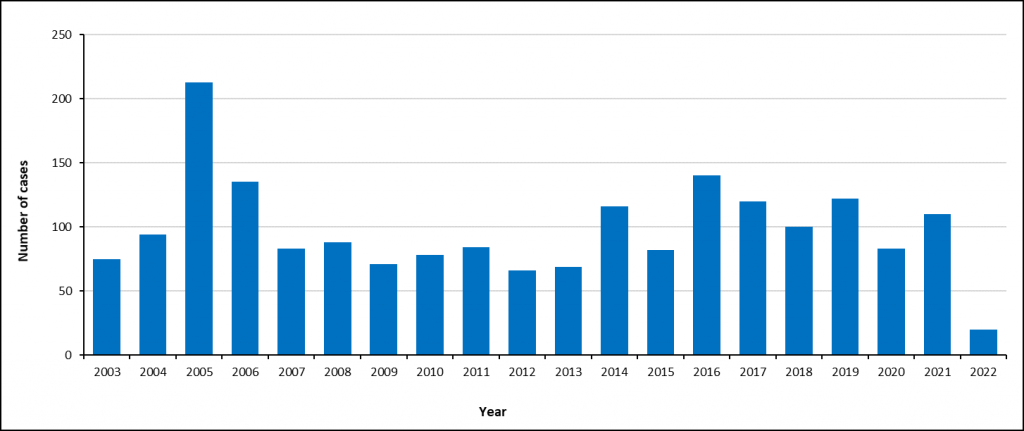
Prevalence of Kawasaki Norovirus in South Africa



Symptoms and Transmission
The symptoms of Kawasaki norovirus typically appear within 24-48 hours of exposure and can last for several days. The most common symptoms include: Diarrhea Vomiting Stomach cramps Fever Headache Fatigue The virus can spread through: Contaminated food and water Direct contact with an infected person Touching contaminated surfaces and objects
Prevention and Treatment
Preventing the spread of Kawasaki norovirus requires a combination of good hygiene practices and precautions. Here are some tips to reduce the risk of infection: Wash your hands frequently with soap and water Avoid close contact with people who are infected Avoid sharing food, drinks, and utensils Clean and disinfect contaminated surfaces and objects Practice good food safety and handling While there is no specific treatment for Kawasaki norovirus, symptoms can be managed with: Fluid replacement to prevent dehydration Rest and hydration Over-the-counter medications to alleviate symptoms The Kawasaki norovirus outbreak in South Africa is a significant public health concern. By understanding the symptoms, transmission, and prevention methods, individuals can take necessary precautions to reduce the risk of infection. It's essential to practice good hygiene, avoid close contact with infected people, and take steps to prevent the spread of the virus. If you or a loved one is experiencing symptoms, seek medical attention immediately. Stay informed, stay safe, and help prevent the spread of Kawasaki norovirus in South Africa.Source: The Citizen